



About Viscofan
Sustainability
We integrate environmental, social, and governance criteria into our strategy to drive responsible growth and generate a positive impact.
- ESG Strategy
- Environment
- People
- Commercial management
- Human Rights
Our commitments to the SDGs
The Viscofan Group’s Sustainability Action Plan (2022–2025) identifies 6 priority SDGs upon which it focuses its commitments and action programs.
Belong to the food market is a big responsibility: to offer millions of people around the world access to basic nutrition. As a world leader in customized casings, within our commitment to this SDG:
- Ensure the production and distribution of an essential ingredient for millions of households around the world, in a backdrop of huge restrictions and difficult movement due to COVID.
- Our portfolio includes products adapted to Islamic regulations (Halal) and Jewish regulations (Kosher), considering the specific cultural features of our customers.
- We also manufacture products of vegetable origin for vegans and vegetarians.
- We design sustainable products that help to avoid food waste.
- Through our products, we provide more efficient and sustainable cold meats manufacturing processes, contributing in the long term to meeting the growing demand for food.
Viscofan undertakes to transform the ample knowledge developed in the processing, use and transformation of raw materials, especially collagen, in products and solutions that contribute to improve the health and well-being of people. Collagen is the most abundant protein of the human body and of animals but, in turn, it is a singular versatile material and, therefore, is used in various areas that are beneficial for people, such as regenerative medicine, nutrition, health and life sciences.
Viscofan's production process requires the use of water. Hence, the Group focuses on the sustainable management of water in its operations and at its factories, with a strict consumption and re-use policy, improving the quality of wastewater discharges and investing in the best available water management technologies.
People are a differential value for Viscofan future. More than 5,100 employees in 22 countries constitute an extraordinary human wealth. People management is key to achieving our goals and that is why we want to attract and develop the best team in the industry.
Within the commitment to this SDG, the Viscofan Group promotes:
- Ensure decent working conditions for all company employees, with non-discriminative hiring.
- We back the promotion and professional development of our teams, especially among young people. We inform employees of the opportunities and processes that arise at the company so that they can opt for new goals and challenges.
- We guartantee freedom of association and collective bargaining
- We create a stable working environment, supporting full-time permanent contracts, in a climate of respect and non-discrimination. More than 90% of our workforce have permanent contracts.
- We encourage youth employment through recruitment and internship programmes.
- We have occupational health and safety management systems at all the company's factories. We set the target of reducing the severity rate by 50% by 2030.
- We maintain public-private partnerships with universities to carry out projects that contribute to sustainable economic growth
Developing more sustainable activity requires incorporating environmental criteria throughout the value chain that minimises the impact of our business activity caused by the transformation of raw materials by mechanical and chemical means that leads to the generation of waste. Starting with the selection of raw materials, both the main ones (cellulose, collagen skins, abaca paper, polyamides and natural gas) and the auxiliary ones, and continuing with reduction of waste generation, optimising waste management and prioritising recovery or recycling above other systems such as destruction or disposal.
Within its commitment to this SDG Viscofan seeks:
- We promote energy efficiency throughout the value chain, developing packaging that minimises waste generation - such as gas emissions and wastewater generation, among others - during manufacturing and subsequent processing.
- We have food safety and quality certifications.
- Our production policy in proximity through a production presence of up to 22 factories, contributes to reducing the impact of transportation on the environment.
- Viscofan invests in technologies that enable production with less production waste, and it also seeks to reduce the intensity of waste at landfills.
The production process of casings is a continuous process throughout the year that requires substantial energy. In our commitment to fight against climate change, we are continuously investing in improvements to reduce energy consumption and to make the most of the different ways in which this energy is present in our processes. Viscofan's strategy for reducing overall CO2 emissions includes using heat, even in the effluents from our production processes, and replacing systems requiring elevated amounts of energy with more efficient systems.
This commitment is reflected in the Net Zero Plan for scope 1 and 2 GHG emissions for 2050 approved in December 2024 by the Viscofan Board of Directors.
Our material aspects
Viscofan bases its sustainability priorities on a materiality assessment analysis that identifies the main impacts, risks and opportunities.
| Type | Location in value chain | Time horizon | Description |
|---|---|---|---|
| Pollution | |||
| 9. Negative impact | Own and downstream operations | Short term | Air and water pollution and the generation of microplastics in production processes. |
| 10. Positive impact | Own operations | Short term | Investment in available technologies for the filtering and washing of emissions and the treatment and discharge of water that mitigate the risk of water pollution. |
| 11. Risk | Own operations | Short term | Imposition of fines and penalties and implementation of corrective actions as a result of litigation arising from non-compliance in matters of pollution. |
| Type | Location in value chain | Time horizon | Description |
|---|---|---|---|
| Resource inflows, including resource use | |||
| 12. Risk | Upstream | Long term | Unavailability of raw materials of natural origin |
| Resource outflow related to products and services | |||
| 13. Risk | Own operations | Short term | Plastic products. Taxation |
| 14. Risk | Downstream | Long term | Plastic products. Decrease in demand |
| 15. Opportunity | Downstream | Long term | Customer and consumer preference for casings of natural or biodegradable origin |
| 16. Opportunity | Downstream | Long term | Development with the customer of products that allow a better use of resources |
| 17. Negative impact | Downstream | Medium term | Impact on the environment due to the increase in waste disposed of |
| Waste | |||
| 18. Opportunity | Downstream | Medium term | Recovery of cellulose casing waste at the customer. |
| 19. Oportunidad | Own operations | Long term | Waste recovery. Reduction of the cost in management and use as a source of energy mainly |
| 20. Risk | Own operations | Long term | Waste disposal. Increased restrictions from the administrations and the cost of managing them |
| Type | Location in value chain | Time horizon | Description |
|---|---|---|---|
| Working conditions | |||
| 21. Negative impact | Own operations | Short term | Illnesses and accidents in the workplace |
| 22. Opportunity | Own operations | Short term | Increased knowledge, continuous improvement and productivity |
| 23. Opportunity | Own operations | Short term | Long-term loyalty and commitment |
| 24. Risk | Own operations | Short term | Failure to comply with working conditions |
| 25. Risk | Own operations | Short term | Deterioration of the work environment, labour conflicts |
| Equal treatment and opportunities for all | |||
| 26. Positive impact | Own operations | Short term | Capacity building, diversity and professional talent |
| 27. Negative impact | Own operations | Short term | Inadequate working conditions and remuneration structures |
| Other labour rights | |||
| 28. Opportunity | Own operations | Short term | Social protection, economic stability and personal balance |
| Type | Location in value chain | Time horizon | Description |
|---|---|---|---|
| Personal safety of consumers. Health and safety | |||
| 29. Negative impact | Downstream | Short term | Food security crisis |
| 30. Risk | Own operations | Short term | Failure to meet quality standards or a food safety crisis can lead to lawsuits and reputational damage. |
| 31. Risk | Downstream | Medium term | Losing market position due to regulatory requirements in terms of food safety. |
| 32. Opportunity | Downstream | Medium term | To make it easier to feed an affordable protein to millions of households around the world. |
| 33. Opportunity | Own operations | Medium term | Product safety and quality as a competitive advantage to lead the casing market. |
| Type | Location in value chain | Time horizon | Description |
|---|---|---|---|
| Corporate culture | |||
| 34. Opportunity | Own operations | Short term | Compliance through a culture of shared values |
| 35. Opportunity | Own operations | Short term | Maintaining a good corporate reputation |
| 36. Risk | Downstream | Short term | Loss of customers and business partners |
| 37. Risk | Own operations | Medium term | Decrease in the Viscofan share price |
| Corruption and bribery | |||
| 38. Risk | Own operations | Short term | Non-compliance with rules, regulations and laws. Financial penalties |
Dialog with stakeholders
The Viscofan Group defines sustainability as the ability to create value for its various stakeholders in the short, medium, and long term, without compromising the well-being of future generations. In line with this commitment, appropriate communication channels have been identified and established to ensure an open dialogue and to stay informed about stakeholder needs and expectations. This process enables the identification and analysis of the most relevant aspects of value creation, which in turn inform the Viscofan Group’s successful strategy.
-

Shareholders
One of Viscofan’s objectives, through its Investor Relations Department and the Shareholder Desk, is to create value for investors, improving the transparency of information.
-
Market
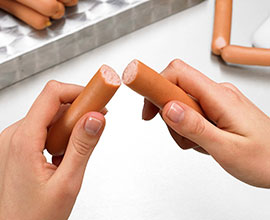
The Viscofan Group places the customer at the centre of its operational decisions, permanently searching for the best value proposition for its customers, thereby enhancing their competitive advantages.
-
Employees
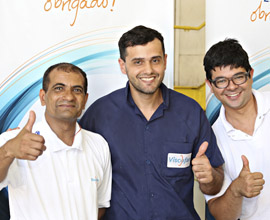
The Viscofan Group’s performance in the market can only be understood by taking into account the excellence of its employees.
-

Society
The Viscofan Group adopts business management criteria that contribute to sustainable and economically viable development.
| Stakeholder | Communication channels |
| Shareholders | General Shareholders' Meeting, roadshows, conferences, telephone and mail contact, corporate website, shareholder service office |
| Employees | Intranet, global opinion survey, meetings and presentations, training sessions, direct relationship with managers, internal magazine, whistleblowing channel, bulletin boards and information screens |
| Market. Customers | Customer satisfaction surveys, seminars and events organised by Viscofan, telephone and email technical assistance and continuous service, end-to-end claims and complaints system, active presence in trade fairs, visits to and from customers, local presence through agents and distributors, access to an extranet for customers accessible at www.viscofan.com |
| Market. Suppliers | Direct contact, collaboration agreements, training, assessments and audits |
| Society | Contact with the local community, civil society actors, partnership agreements, sponsorships, etc. Contact with governmental institutions, associations, lawyers. Collaboration with research centres and institutes in different countries |

Environmental management and climate change
We act in line with the Paris Agreement to combat climate change and limit the rise in global temperature. We work on water optimization and purification, the utilization and reuse of raw materials, and the efficient use of energy and renewable sources.
Our commitments to the SDGs
Viscofan's production process requires the use of water. Hence, the Group focuses on the sustainable management of water in its operations and at its factories, with a strict consumption and re-use policy, improving the quality of wastewater discharges and investing in the best available water management technologies.
Developing more sustainable activity requires incorporating environmental criteria throughout the value chain that minimises the impact of our business activity caused by the transformation of raw materials by mechanical and chemical means that leads to the generation of waste. Starting with the selection of raw materials, both the main ones (cellulose, collagen skins, abaca paper, polyamides and natural gas) and the auxiliary ones, and continuing with reduction of waste generation, optimising waste management and prioritising recovery or recycling above other systems such as destruction or disposal.
Within its commitment to this SDG Viscofan seeks:
- We promote energy efficiency throughout the value chain, developing packaging that minimises waste generation - such as gas emissions and wastewater generation, among others - during manufacturing and subsequent processing.
- We have food safety and quality certifications.
- Our production policy in proximity through a production presence of up to 22 factories, contributes to reducing the impact of transportation on the environment.
- Viscofan invests in technologies that enable production with less production waste, and it also seeks to reduce the intensity of waste at landfills.
The production process of casings is a continuous process throughout the year that requires substantial energy. In our commitment to fight against climate change, we are continuously investing in improvements to reduce energy consumption and to make the most of the different ways in which this energy is present in our processes. Viscofan's strategy for reducing overall CO2 emissions includes using heat, even in the effluents from our production processes, and replacing systems requiring elevated amounts of energy with more efficient systems.
This commitment is reflected in the Net Zero Plan for scope 1 and 2 GHG emissions for 2050 approved in December 2024 by the Viscofan Board of Directors.
Key indicators 2025
Approved by the Board of Directors in December 2024, the 2050 Net Zero GHG Plan sets out Viscofan’s roadmap for achieving net-zero greenhouse gas emissions by 2050.
-
58.5<Miles>
Thousand tonnes of waste and by-product
(54.9 in 2024)
-

-
1<Mn T>
tonnes of CO2 emissions avoided in 10 years
due to energy optimization
-
85%
Water withadrawal
is returned to water surfaces
-
-
59
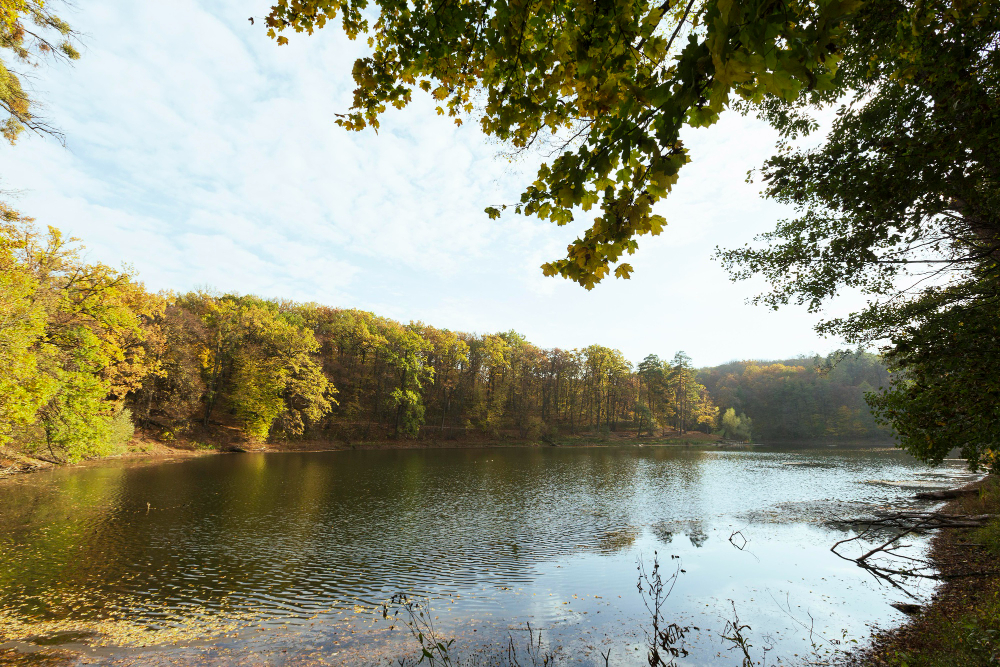
CO2 emissions /km produced
Base 100 year 2018
-
2,358
GWh of internal energy consumption
(2,189 in 2024)
-

Work management
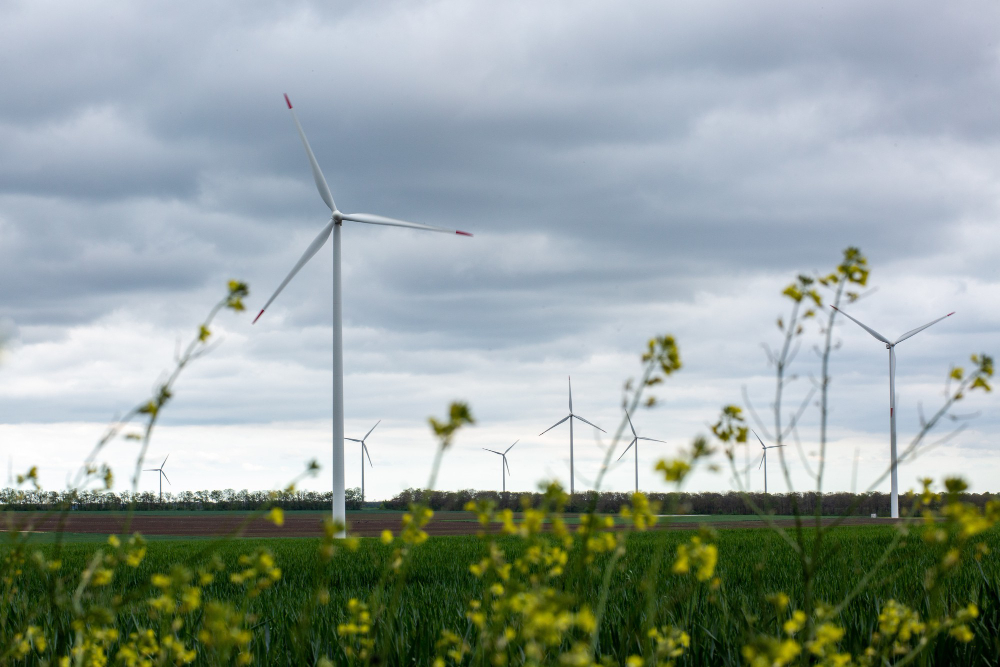
People are Viscofan’s key differentiator. With 5,721 employees across 21 countries, we work to attract, develop, and strengthen the best team in the industry.
Our commitments to the SDGs
People are a differential value for Viscofan future. More than 5,100 employees in 22 countries constitute an extraordinary human wealth. People management is key to achieving our goals and that is why we want to attract and develop the best team in the industry.
Within the commitment to this SDG, the Viscofan Group promotes:
- Ensure decent working conditions for all company employees, with non-discriminative hiring.
- We back the promotion and professional development of our teams, especially among young people. We inform employees of the opportunities and processes that arise at the company so that they can opt for new goals and challenges.
- We guartantee freedom of association and collective bargaining
- We create a stable working environment, supporting full-time permanent contracts, in a climate of respect and non-discrimination. More than 90% of our workforce have permanent contracts.
- We encourage youth employment through recruitment and internship programmes.
- We have occupational health and safety management systems at all the company's factories. We set the target of reducing the severity rate by 50% by 2030.
- We maintain public-private partnerships with universities to carry out projects that contribute to sustainable economic growth
Key indicators 2025
-
5,721
Staff employees
5,163 in 2024
-

-
88,542
Training hours
-
31%
Women on staff
-
1<Mn €>
Investment in training
2025
-
15
Training hours per person
2025
-

-
0.09
severity index
0.15 in 2024

Commercial and supply chain management
The customer is at the heart of our decision-making. We offer products of the highest quality and safety, tailored to our customers' needs and backed by our technical support service. We oversee every stage, from raw materials to final delivery, continuously improving our processes to make them more efficient, responsible, and sustainable.
Our commitments to the SDGs
Belong to the food market is a big responsibility: to offer millions of people around the world access to basic nutrition. As a world leader in customized casings, within our commitment to this SDG:
- Ensure the production and distribution of an essential ingredient for millions of households around the world, in a backdrop of huge restrictions and difficult movement due to COVID.
- Our portfolio includes products adapted to Islamic regulations (Halal) and Jewish regulations (Kosher), considering the specific cultural features of our customers.
- We also manufacture products of vegetable origin for vegans and vegetarians.
- We design sustainable products that help to avoid food waste.
- Through our products, we provide more efficient and sustainable cold meats manufacturing processes, contributing in the long term to meeting the growing demand for food.
Viscofan's production process requires the use of water. Hence, the Group focuses on the sustainable management of water in its operations and at its factories, with a strict consumption and re-use policy, improving the quality of wastewater discharges and investing in the best available water management technologies.
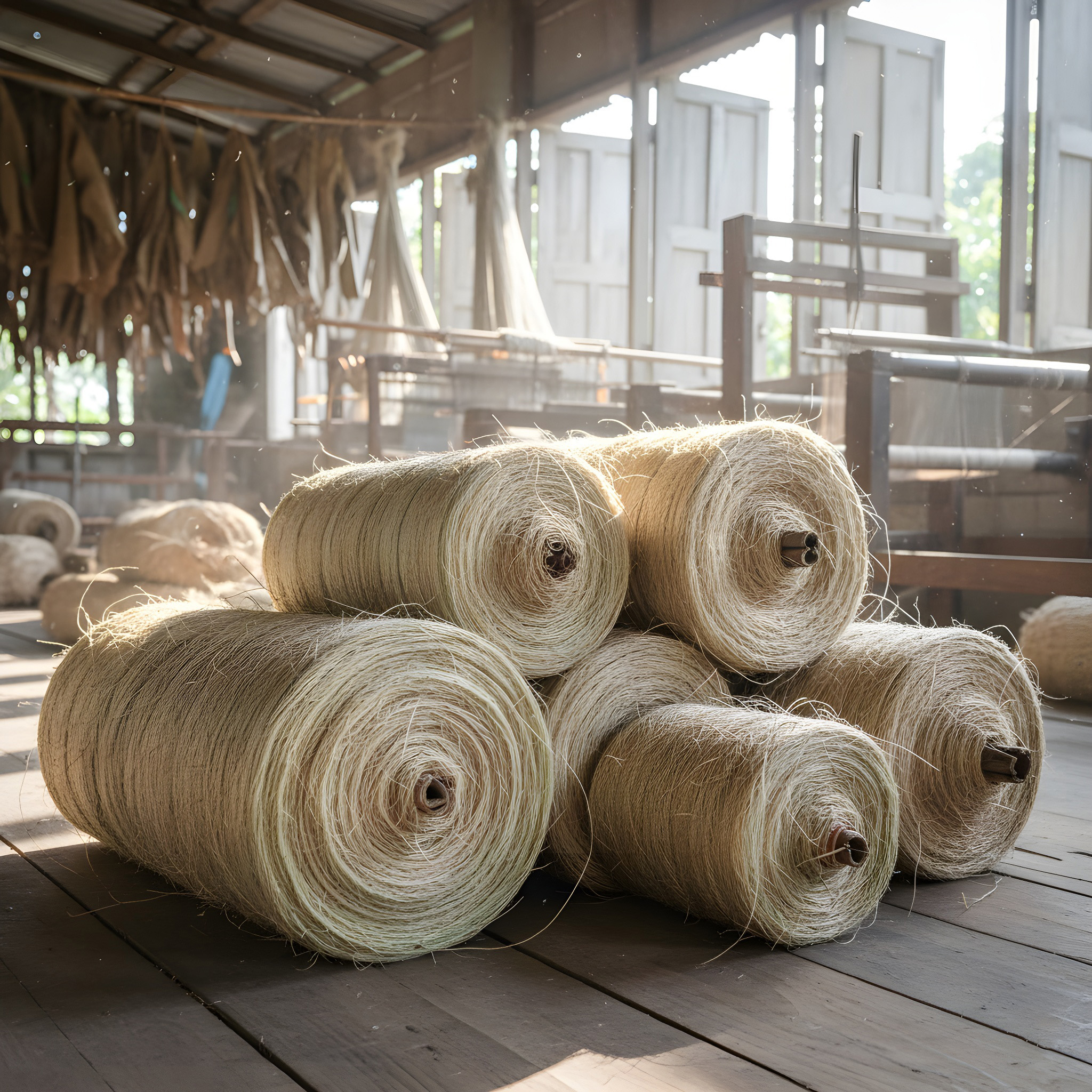
Developing more sustainable activity requires incorporating environmental criteria throughout the value chain that minimises the impact of our business activity caused by the transformation of raw materials by mechanical and chemical means that leads to the generation of waste. Starting with the selection of raw materials, both the main ones (cellulose, collagen skins, abaca paper, polyamides and natural gas) and the auxiliary ones, and continuing with reduction of waste generation, optimising waste management and prioritising recovery or recycling above other systems such as destruction or disposal.
Within its commitment to this SDG Viscofan seeks:
- We promote energy efficiency throughout the value chain, developing packaging that minimises waste generation - such as gas emissions and wastewater generation, among others - during manufacturing and subsequent processing.
- We have food safety and quality certifications.
- Our production policy in proximity through a production presence of up to 22 factories, contributes to reducing the impact of transportation on the environment.
- Viscofan invests in technologies that enable production with less production waste, and it also seeks to reduce the intensity of waste at landfills.
The production process of casings is a continuous process throughout the year that requires substantial energy. In our commitment to fight against climate change, we are continuously investing in improvements to reduce energy consumption and to make the most of the different ways in which this energy is present in our processes. Viscofan's strategy for reducing overall CO2 emissions includes using heat, even in the effluents from our production processes, and replacing systems requiring elevated amounts of energy with more efficient systems.
This commitment is reflected in the Net Zero Plan for scope 1 and 2 GHG emissions for 2050 approved in December 2024 by the Viscofan Board of Directors.
- Nuestra política de producción en proximidad a través de una presencia productiva de hasta 22 fábricas, contribuye a reducir el impacto del transporte en el medioambiente.
- Viscofan invierte en tecnologías que permitan producir con un menor waste productivo, y busca también la reducción de la intensidad de residuos en vertedero.
Key indicators 2025
-
80%
revenue
comes from natural, biodegradable or recycled material casings
-

-
100%
Suppliers of cellulose and abaca paper
with sustainable foresty certificates, PFEC or FSC
-

Human Rights and society
Viscofan maintains a firm commitment to Human Rights and the sustainable development of the communities in which it operates. In line with the United Nations 2030 Agenda, it promotes social and environmental initiatives to contribute to a better future for coming generations.
Our commitments to the SDGs
Belong to the food market is a big responsibility: to offer millions of people around the world access to basic nutrition. As a world leader in customized casings, within our commitment to this SDG:
- Ensure the production and distribution of an essential ingredient for millions of households around the world, in a backdrop of huge restrictions and difficult movement due to COVID.
- Our portfolio includes products adapted to Islamic regulations (Halal) and Jewish regulations (Kosher), considering the specific cultural features of our customers.
- We also manufacture products of vegetable origin for vegans and vegetarians.
- We design sustainable products that help to avoid food waste.
- Through our products, we provide more efficient and sustainable cold meats manufacturing processes, contributing in the long term to meeting the growing demand for food.
People are a differential value for Viscofan future. More than 5,100 employees in 22 countries constitute an extraordinary human wealth. People management is key to achieving our goals and that is why we want to attract and develop the best team in the industry.
Within the commitment to this SDG, the Viscofan Group promotes:
- Ensure decent working conditions for all company employees, with non-discriminative hiring.
- We back the promotion and professional development of our teams, especially among young people. We inform employees of the opportunities and processes that arise at the company so that they can opt for new goals and challenges.
- We guartantee freedom of association and collective bargaining
- We create a stable working environment, supporting full-time permanent contracts, in a climate of respect and non-discrimination. More than 90% of our workforce have permanent contracts.
- We encourage youth employment through recruitment and internship programmes.
- We have occupational health and safety management systems at all the company's factories. We set the target of reducing the severity rate by 50% by 2030.
- We maintain public-private partnerships with universities to carry out projects that contribute to sustainable economic growth
The production process of casings is a continuous process throughout the year that requires substantial energy. In our commitment to fight against climate change, we are continuously investing in improvements to reduce energy consumption and to make the most of the different ways in which this energy is present in our processes. Viscofan's strategy for reducing overall CO2 emissions includes using heat, even in the effluents from our production processes, and replacing systems requiring elevated amounts of energy with more efficient systems.
This commitment is reflected in the Net Zero Plan for scope 1 and 2 GHG emissions for 2050 approved in December 2024 by the Viscofan Board of Directors.